
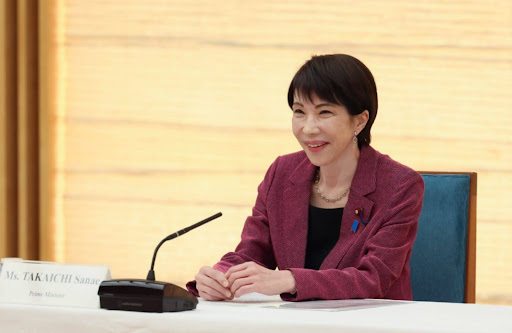
Japan finds itself at the center of the global energy crisis triggered by the US-Israel war on Iran, and Prime Minister Sanae Takaichi has responded by announcing the country will begin its biggest-ever oil release from national reserves this Thursday. Approximately 80 million barrels — covering 45 days of domestic consumption — will flow to domestic refiners as part of the emergency response. The release is being driven by fears that the Strait of Hormuz could remain obstructed for an extended period.
With more than 90% of its crude imported from the Middle East, Japan’s economy is deeply exposed to any prolonged disruption of Hormuz shipping. The government had already approved the release of 15 days of private-sector oil stocks last week, and this latest move adds the full weight of Japan’s state-owned reserves to the response. Officials have framed the action as essential to protecting Japan’s economy and its population.
The drawdown is 1.8 times larger than the previous record set during the Fukushima response in 2011, cementing its place as the most significant energy emergency action in Japan’s postwar history. Japan currently holds reserves of approximately 470 million barrels — equivalent to 254 days of domestic demand. The government’s priority is to maintain a steady flow of crude to refiners during the period of uncertainty.
Fuel subsidies have been introduced to cap gasoline prices at roughly ¥170 per litre following a record high of ¥190.8, with subsidy levels reviewed weekly. Consumer panic stoked by social media has led to unfounded fears about toilet paper shortages, which the trade ministry and the Japan Household Paper Industry Association moved quickly to address. The association stated clearly that 97% of Japan’s toilet paper is produced domestically from recycled materials and that supply is not affected by Middle Eastern developments.
Japan has chosen diplomacy over military action, with Takaichi declining Trump’s proposal to send Japanese naval vessels to the Strait of Hormuz on constitutional grounds. The government remains committed to coordinating with international partners to pursue a peaceful resolution of the conflict. Tokyo believes that measured strategic action at home, combined with active diplomacy abroad, represents the best path through the current crisis.