
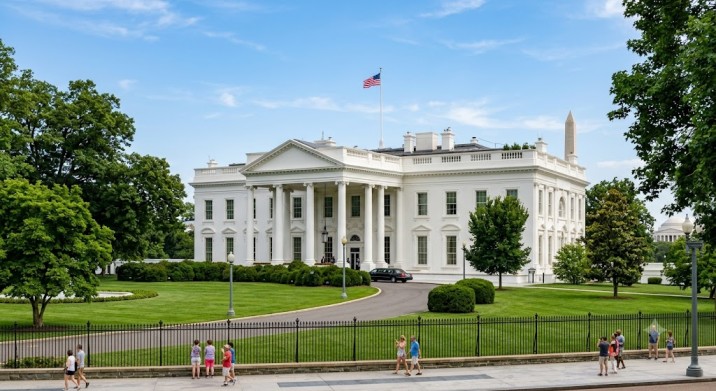
In the wake of Argentina’s national football team showcasing a banner asserting their claim to the Falkland Islands after their World Cup semi-final triumph over England, the White House has come to their defense. Andrew Giuliani, the head of the White House FIFA taskforce, emphasized the United States’ commitment to freedom of expression. Meanwhile, UK officials have expressed dissatisfaction with the display, urging FIFA to investigate potential breaches of rules prohibiting political messages in football.
FIFA has acknowledged the situation and is currently examining the incident through its disciplinary procedures. The banner has rekindled the longstanding sovereignty debate over the Falkland Islands, sparking diplomatic tensions. The Falkland Islands government has labeled the display as inappropriate, insisting that FIFA adhere to its policy of separating politics from sports.
This incident has underscored the delicate intersection of sports and politics on the international stage. The controversy highlights the differing perspectives on freedom of expression and the role of sports organizations like FIFA in managing politically charged gestures within the confines of global sporting events.
As the investigation unfolds, the international community watches closely, with varying opinions on how FIFA should address the matter. The incident has not only reignited historical disputes but also raised questions about the balance between political expression and the neutrality of sporting events.