
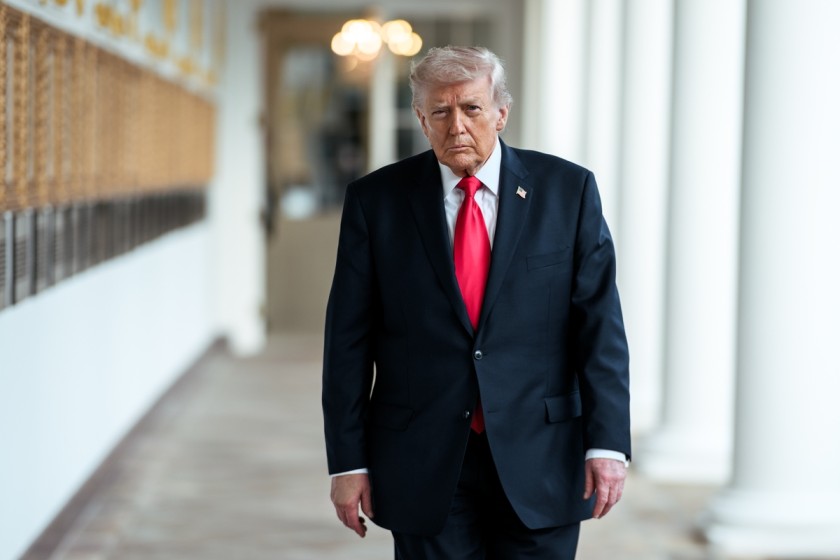
The diplomatic efforts between the United States and Iran aimed at achieving a lasting agreement on regional security encountered early challenges when Iranian delegates momentarily exited the negotiations in Switzerland. This occurred after U.S. President Donald Trump made remarks that were perceived as provocative by the Iranian side. The ongoing discussions, with mediation support from Qatar and Pakistan, aim to build upon a recent memorandum of understanding designed to alleviate Middle Eastern tensions, secure maritime safety, and tackle broader issues in Washington-Tehran relations.
Iranian delegates expressed their displeasure following Trump’s public threats concerning Iran’s activities in the Strait of Hormuz and its backing of regional allies, calling these statements unacceptable in the context of active diplomacy. Despite this initial setback, negotiations have persisted quietly, assisted by mediators committed to keeping both parties engaged in dialogue. Iranian Foreign Minister Abbas Araghchi commended the mediation, while officials from Qatar and Pakistan confirmed that technical discussions would continue throughout the week.
Key areas of focus in these talks include maintaining stability in the Strait of Hormuz, ensuring adherence to ceasefire agreements in Lebanon, and discussing economic concerns such as sanctions and Iran’s frozen assets. Iran has insisted that any durable agreement must incorporate assurances on regional security and the easing of sanctions.
In a move towards a more conciliatory approach, U.S. Vice President JD Vance emphasized that Washington is hopeful for improved relations with Tehran if progress can be achieved on regional stability and nuclear issues. Although disagreements persist, both parties have shown a willingness to continue discussions, reflecting a mutual interest in finding a resolution.