
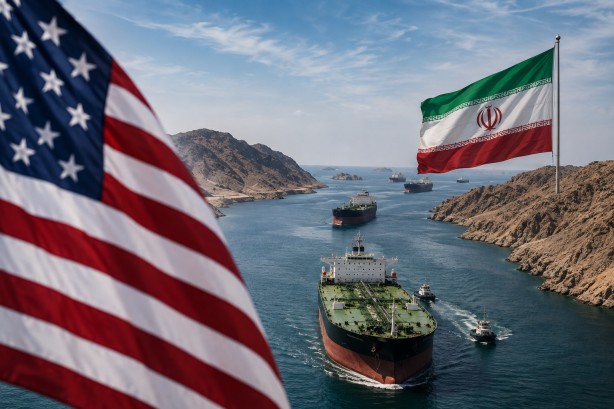
The United States has reported significant progress in negotiations with Iran regarding the reopening of the Strait of Hormuz, with a potential agreement anticipated imminently. US Treasury Secretary Scott Bessent conveyed optimism about the ongoing discussions with Tehran, suggesting that a resolution could be achieved shortly. He highlighted that the agreement would facilitate the passage of commercial vessels through this pivotal waterway without imposing tolls, thereby preserving the freedom of navigation.
Qatar, playing a crucial role as a mediator, confirmed that a de-escalation framework has been proposed and is being reviewed by the involved parties as diplomatic efforts intensify. The Strait of Hormuz is a vital corridor for global oil and energy transportation, and its disruption has significantly impacted the region amid escalating tensions. The prospect of an agreement has already had a positive effect on oil prices, which have decreased, with further declines anticipated if routine shipping operations resume.
In recent remarks, President Donald Trump revealed that he had delayed planned military action against Iran to provide room for diplomatic negotiations to progress. He emphasized that any future agreement should not only address the reopening of the Strait of Hormuz but also include measures concerning Iran’s nuclear program.
Previously, attempts to reach a US-Iran understanding on reopening the waterway failed due to disagreements over shipping routes, which reignited tensions. Current negotiations aim to establish a new accord that will restore maritime traffic and contribute to reducing instability in the region.