
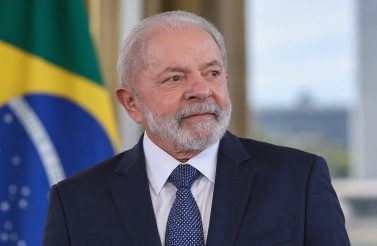
In a call for strengthened international cooperation, Brazilian President Luiz Inácio Lula da Silva addressed the United Nations General Assembly, emphasizing the need for multilateralism and criticizing foreign interference in Brazil and Latin America. Lula’s remarks underscore Brazil’s stance on maintaining sovereignty and pursuing independent regional development, which could influence international relations and economic policies in the region.
Lula highlighted the challenges facing the United Nations, noting the increasing attacks on the institution and the inability of the UN Security Council to effectively manage global conflicts. This, he argued, has exacerbated the world’s critical situation. His speech pointed to the importance of the UN’s role in conflict resolution and preventing wars, positioning Brazil as a vocal advocate for a stronger and more cohesive international community.
Addressing the conflict in the Middle East, President Lula condemned Israel’s military actions in Gaza, particularly criticizing the reported harm to civilians, including women and children. This stance may reflect broader concerns about human rights and the need for a balanced approach in international conflict management.
In his focus on Latin America, Lula rejected external interference, asserting that Brazil should not be seen as part of any geopolitical “backyard.” He advocated for partnerships that prioritize development and regional integration. His comments also extended to Venezuela, where he supported the right of its citizens to determine their own political future without foreign intervention motivated by strategic interests.
The address came against a backdrop of strained relations between Brazil and the United States, marked by ongoing tariff disputes and disagreements over U.S. policies towards Brazil. Lula’s speech at the UN, his first since resuming presidency, reiterates Brazil’s commitment to sovereignty and multilateral dialogue, a narrative he has consistently supported since his initial appearance at the General Assembly in 2003.