
The specter of inflation has returned to haunt the global economy as the Iran conflict drives oil prices above $90 a barrel and natural gas prices to three-year highs. Economists who had been cautiously optimistic about price stability are now scrambling to revise their forecasts upward, as the energy price shock triggered by the conflict threatens to unwind months of progress in bringing inflation under control.
The oil price surge — more than 25% in a single week — is the biggest weekly gain since the early Covid-19 pandemic period. It was driven initially by the conflict itself, which disrupted tanker traffic through the Strait of Hormuz, and then amplified by Kuwait’s decision to cut production at fields that had run out of storage space. Energy consultants warn that Saudi Arabia and the UAE face the same storage problem within 20 days.
Natural gas prices have added to the inflationary pressure. Qatar, which accounts for roughly 20% of global LNG exports, has suffered drone-strike damage to a key terminal and has warned of a disruption lasting weeks or months. European gas prices surged to three-year highs as buyers scrambled to secure supplies. Britain, though relatively independent of Qatari gas, saw its gas market surge in sympathy with the broader European market.
Qatar’s energy minister provided the most alarming forecast of the week: if the conflict continues without resolution, all Gulf exporters could halt production within weeks, driving oil to $150 a barrel. Even a ceasefire would not immediately solve the problem, as damaged infrastructure takes time to repair and restarting halted production requires weeks of work. The inflation implications of such a scenario are staggering.
Central banks had been cautiously preparing to cut interest rates after a prolonged period of post-pandemic inflation. That plan now looks very different. UK rate cut expectations fell from 80% to 15% in a single week, and European bond markets have begun pricing in the possibility of rate rises rather than cuts. For consumers who had only recently begun to see relief from high prices, the prospect of another inflationary wave driven by energy costs is a deeply depressing development.
Inflation Fears Return with a Vengeance as Oil and Gas Prices Spike Globally
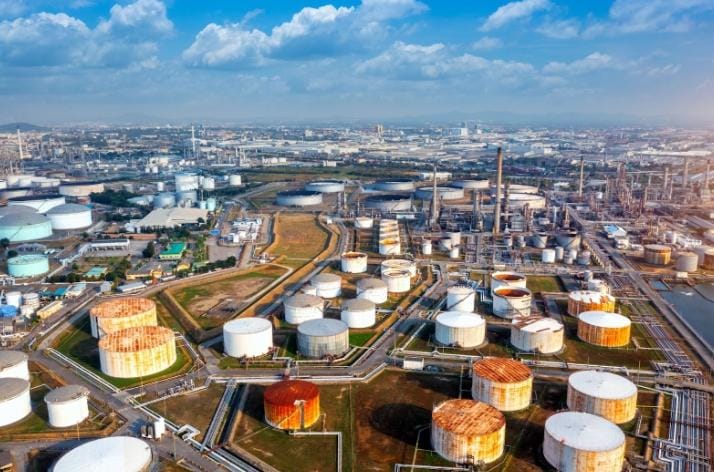
Picture Credit: www.freepik.com
25
previous post