
Rising tensions in the Middle East have led to a surge in global oil prices, with Brent crude reaching its highest level in over five months. The escalation is attributed to Houthi attacks in Saudi Arabia, which have raised fears of potential disruptions to energy supplies in the region.
Brent crude futures increased by 0.7% to $113.96 per barrel, hitting a peak of $114.72, a level not seen since May 4. Meanwhile, US West Texas Intermediate (WTI) crude saw a 1.1% rise, reaching $100.57 per barrel. Brent is on track for a nearly 4% gain for the third consecutive week, although WTI is expected to see a slight weekly decline of around 0.8%.
Market concerns were heightened following reports that Saudi Aramco ordered the evacuation of its headquarters in Dhahran due to intensifying conflict between Saudi Arabia and Yemen-based Houthi forces. Analysts have warned that continued attacks could further disrupt oil shipments and exacerbate existing supply shortages. Uncertainty around shipping routes and fluctuating oil flows, coupled with elevated freight costs, are adding pressure to the global energy market.
The conflict has also sparked fears over the security of the Bab el-Mandeb Strait, a crucial shipping lane connecting the Red Sea with the Gulf of Aden. Prolonged disruptions in this area could lead to delays in energy deliveries, sustaining high oil prices.
In addition to Middle Eastern tensions, supply concerns have emerged from Libya, where the closure of a pipeline valve linking the Hamada and Tahara oilfields to the Zawiya port has curtailed production at both sites.
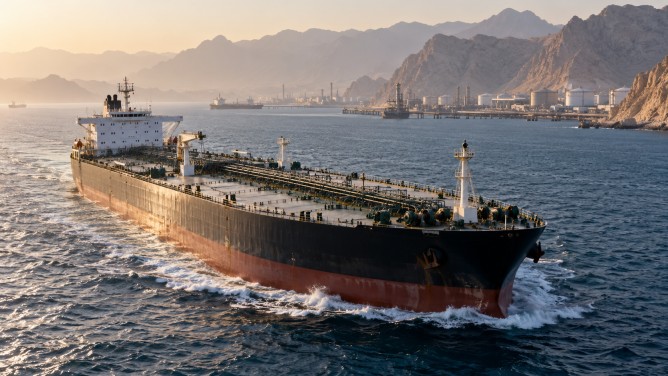
Meanwhile, a Malta-flagged tanker carrying 40,000 metric tons of Russian diesel is on its way to New York. This follows Russia’s agreement to resume diesel exports to international markets, including the United States, in an effort to alleviate fuel-price pressures.
The oil market remains sensitive to ongoing developments in the Middle East, potential shipping disruptions, and the duration needed to restore affected energy operations. These factors are expected to keep influencing oil prices in the foreseeable future.