
The world’s oil markets concluded 2025 with their most severe yearly decline since the coronavirus pandemic, recording losses approaching 20%. The energy sector now faces an unprecedented challenge with three straight years of price declines, a historic first creating mounting financial pressure across producing nations and companies globally.
Despite ongoing military conflicts in key oil-producing regions worldwide, prices have continued falling due to severe oversupply fundamentals. Producers are pumping substantially more crude than global economic activity requires, creating what market observers characterize as cartoonish levels of excess supply. This glut has persisted regardless of geopolitical tensions that historically would have supported prices.
Diplomatic developments pushed crude below $60 per barrel last month for the first time in almost five years, as leaders made progress toward ending the Russia-Ukraine conflict. Markets fear that lifting western sanctions on Russian energy would inject massive additional supplies into an already overwhelmed system, potentially accelerating the downward price trajectory.
Year-end figures show Brent crude at $60.85 per barrel, representing a steep drop from approximately $74 at the previous year’s close. American oil benchmarks experienced parallel declines of 20%, finishing at $57.42. The OPEC cartel typically attempts to balance member production for price stability, but recently acknowledged market severity by deferring any planned output increases beyond the first quarter.
Economic weakness across major economies and trade tensions affecting China’s energy consumption have contributed significantly to reduced global demand. International agencies estimate supplies will outpace consumption by roughly 3.8 million barrels per day this year. Leading financial institutions anticipate further weakness ahead, with some forecasting spring prices near $55 per barrel or declines into the $50s during 2026. Lower fuel prices could benefit struggling families and help cool inflation, though regulators have announced slight increases to household energy bills despite the crude price collapse.
Petroleum Markets Post Biggest Annual Loss Since COVID
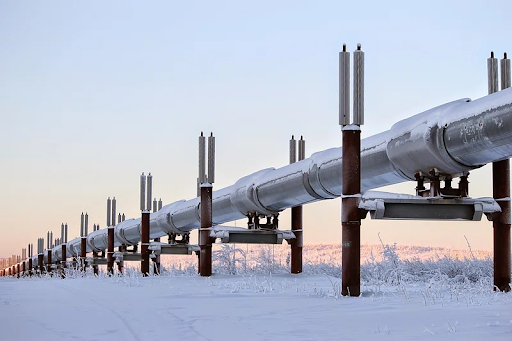
Picture Credit: www.rawpixel.com
53