
India’s cherry blossom season is more than a visual spectacle — it is a living cultural phenomenon that connects communities across five states to their landscapes, their histories, and each other. From the family traditions of petal-catching along Dal Lake in Kashmir to the community celebrations of Ladakh’s Apricot Blossom Festival and the cultural arts of Shillong’s cherry blossom festival, the seasonal flowering of India’s trees is deeply woven into the social fabric of the regions where it occurs. Understanding these connections transforms a simple nature trip into a genuinely enriching travel experience.
In Kashmir’s Srinagar, the cherry blossom season from late March to early April is inseparable from the rhythms of local community life. Families gather for evening walks along Dal Lake as the blossoms appear, participating in the beloved tradition of children trying to catch falling petals before they touch the ground — a custom believed to bring good luck for the coming year. Garden caretakers at Mughal-era sites speak of the blossoms as a living connection to the valley’s centuries-old spring gardening heritage, reminding visitors that nature and history are inseparable in this extraordinary place.
In Ladakh, the Apricot Blossom Festival in Nubra Valley celebrates the seasonal flowering as an occasion to honor traditional culture, local architecture, and the region’s famous organic apricot industry. The festival creates a space where visitors and local communities share in the celebration of the land’s natural gifts, making it one of the most meaningful cultural encounters available in high-altitude India. The intensity of the peak bloom — lasting only four to six days — gives the celebration an urgency that brings communities together with a shared sense of seasonal occasion.
In Himachal Pradesh’s Kullu Valley, the blossom season in the village orchards of Dobhi is experienced as a deeply personal community event, with local residents forming emotional connections to the brief flowering period that they describe in terms of wonder and gratitude. Travel enthusiasts from the area speak of having spent years trying to share the experience with visitors, believing that the white plum blossoms and the valley landscapes they inhabit are among India’s greatest natural gifts. The sense of community pride in the natural beauty of the region is palpable to every visitor.
Shillong’s Cherry Blossom Festival in November brings the community of the Khasi Hills together in a celebration that combines natural beauty with artistic expression. The festival’s mix of music, visual art, and scenic blossom walks creates a communal experience that residents and visitors share equally. Uttarakhand’s Almora area, while hosting a quieter blossom season, also sees local guesthouse owners and residents sharing the experience of the seasonal bloom with traveling guests in ways that feel genuinely generous and warm. Across all five states, India’s blossom season reveals a country deeply connected to the natural rhythms of its remarkable landscape.
How India’s Blossom Season Connects Communities to Nature Across Five States
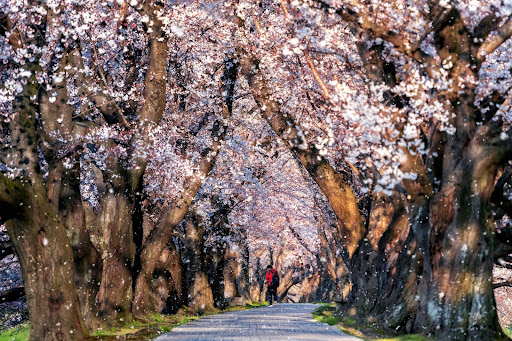
Picture Credit: www.freepik.com
16